

How MidAmerican’s solar projects benefit the land they’re on
Our respect for the land we use plays a significant part in our renewable operations. Our upcoming planned solar projects will use about 4,800 acres spread across several sites – representing only 0.016% of Iowa’s 30 million acres of farmland – while delivering clean energy to thousands of homes. While utility-scale solar projects take up more space than wind turbines, they repurpose land in ways that can support long-term soil health and local ecosystems.
Supporting soil
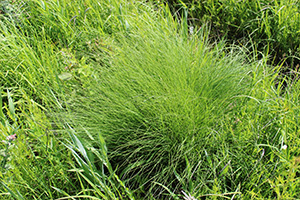
Cultivating ecosystems

Letting the land rest
MidAmerican’s solar projects have a life cycle of about 30 years, taking the ground beneath and between the rows of panels out of intensive production for the length of the project. That long break is like a generation-long fallow period, giving the soil time to rebuild structure and organic matter. And, after the solar project has reached the end of its life and the equipment is removed, the land can be returned to agricultural use.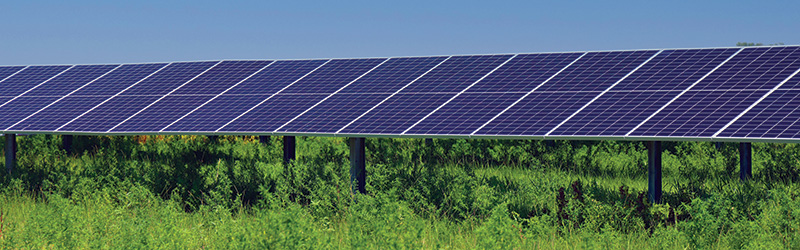
Contributing to communities
Solar projects don’t just bring benefits to the land they’re built on – they bring benefits to the people living around them, too. In Iowa, utility-scale solar projects can generate nearly six times more in local property taxes compared to traditional farmland, depending on the energy produced. Our planned Solar Reliability Project is expected to provide nearly $25 million in property tax payments over the life of the project. Solar property taxes help contribute to local schools, roads and bridges, emergency services and other public essentials.As we continue to prepare for our customers’ future energy needs, our solar installations and more across the country are demonstrating that progress and preservation go hand in hand. When we generate clean energy while giving the land decades to recover and thrive, we’re not just powering homes and businesses, we’re nurturing the ground beneath us for future generations.