

How our renewable and thermal power plants work together
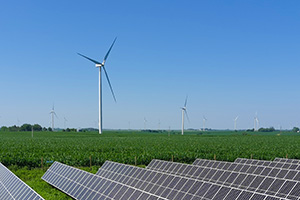
At MidAmerican, our goal is to deliver affordable, reliable and sustainable energy to our customers. We achieve that through an all-of-the-above approach, carefully balancing renewable energy or zero-carbon sources like wind, solar and nuclear with traditional sources like coal and natural gas plants.
Achieving this careful balance means adapting our coal plants and work processes to be able to cycle them on and off much more than most utilities. For example, a coal generation unit at our Neal Energy Center in Woodbury County cycled on and off more than 40 times in 2025. Starting up a coal-powered turbine can take anywhere from 10 to 24 hours, depending on how long the unit has been offline.
“Our coal fleet, especially over the past 10 years, has really done a great job at tracking the wind,” Scott DeRosier, MidAmerican vice president of thermal and fluid generation, said. “When the wind’s up, we keep our thermal assets down, and when the wind’s down, we turn our thermal assets up.”
While this does challenge our teams, it helps keep customers’ energy service reliable and prices low.
“It’s all about providing the cheapest energy available to the benefit of our customers,” Casey Bough, MidAmerican vice president of renewable generation operations and engineering, said. “If our thermal fleet wasn’t as flexible as it is, we wouldn’t have the affordable energy that we do.”
As we’ve adjusted how we operate our coal plants to be more nimble, we’ve also equipped them with clean air technologies to help reduce emissions. Since 2005, we’ve reduced our CO2 emissions by 47%. In fact, the Walter Scott, Jr. Energy Center Unit 4, which started operations in 2007, has some of the most modern clean air controls in the country.
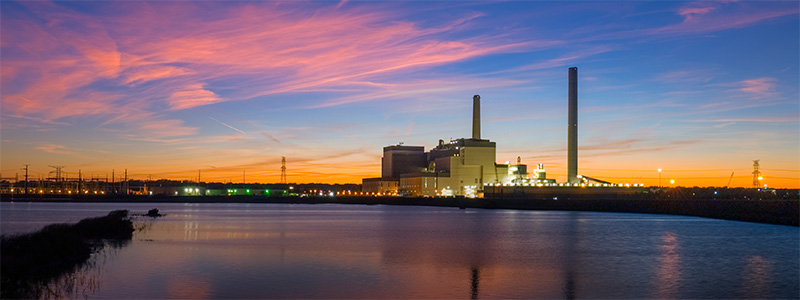
“Adapting our coal plants to operate in this way ensures we have reliable energy, but it minimizes our environmental impact, too,” DeRosier said. “We’re only running coal plants when we need to run them to meet the energy needs of our customers and the larger, regional energy grid.”
Wind and solar also complement each other well by providing more energy at different times of the year. Wind is more plentiful in the fall, winter and spring, whereas the hot sunshine generates more energy during the summer months.
With a blend of wind and solar to keep energy costs down and flexible coal plants to keep reliability up, MidAmerican achieves its goal of delivering affordable, reliable and sustainable energy to our customers.
A tale of two storms
In January 2024, Winter Storm Finn brought 30-40 mph wind gusts, and MidAmerican was able to cover most of its customers’ needs from clean wind energy alone.
In January 2026, the large and expansive Winter Storm Fern brought a weekend of extremely low temperatures but little wind, so MidAmerican relied heavily on thermal operations to keep energy service reliable. Had our thermal fleet not been able to run reliably during this cold spell, MidAmerican would have been significantly exposed to volatile market pricing to purchase replacement electricity off the regional market that would have been reflected in customers’ energy bills.